Maintenance
Hybrid Vehicle Service: What Your Car Needs and When


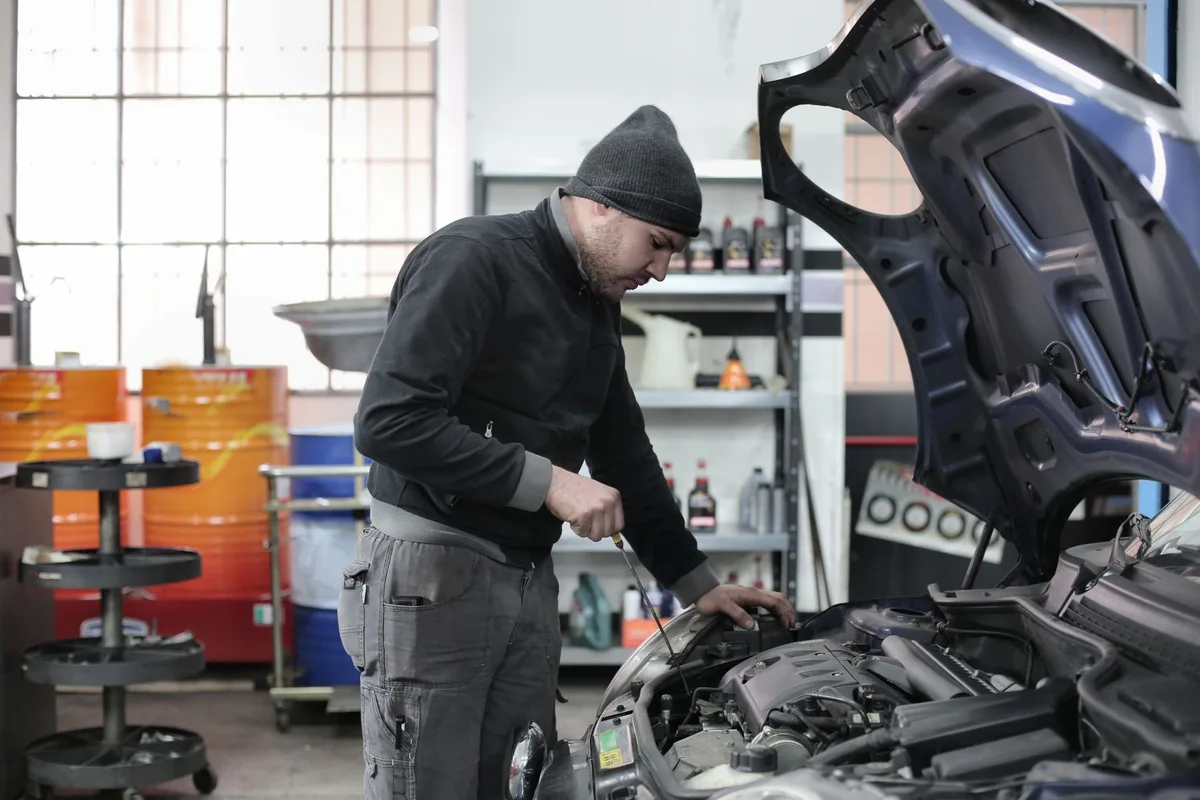
Hybrid vehicles still need routine maintenance such as oil and filter changes, fluid checks, tire and brake service, wheel alignment, and inspections. High-voltage battery and electrical-system work requires appropriately trained technicians, suitable protective equipment, testing tools, and diagnostic knowledge. Related reading: Maintenance service.
Hybrid Service Has Two Different Layers

A hybrid combines a gasoline engine and conventional vehicle systems with electric motors, a high-voltage battery, power electronics, and control software. Many maintenance tasks look familiar, but some diagnosis and repair work has additional safety requirements. Related reading: Electric Vehicle Battery Disposal in BC: Safe Recycling Options and What to Ask.
The U.S. Department of Energy’s maintenance guidance says hybrid and plug-in hybrid maintenance needs are similar to those of conventional vehicles. That does not mean every repair is identical, especially when high-voltage components are involved.
| Service or concern | What it usually involves | What to clarify |
|---|---|---|
| Oil and filter change | Engine oil, filter, fluid checks, and a basic inspection | Use the vehicle-specific oil grade, capacity, and schedule |
| Fluids and filters | Checking or replacing specified fluids and filters | Ask which item is due instead of replacing everything automatically |
| Tires and alignment | Checking pressure, wear, handling, and wheel angles | Report pulling, vibration, uneven wear, or impacts |
| Brakes | Inspecting pads, rotors, calipers, fluid, and related parts | Report noise, pulsation, a soft pedal, or changed stopping feel |
| High-voltage system | Testing or repairing batteries, cables, inverters, and related systems | Ask whether the facility has the required training and equipment |
Routine engine-related care remains relevant even if the vehicle often uses electric power. Master Mechanic East York lists oil change services, including oil filter replacement, fluid checks, and inspection for potential issues.
How Often Should a Hybrid Be Serviced?
There is no universal mileage interval for every hybrid. Follow the maintenance schedule for your exact make, model, model year, drivetrain, and market, then account for time, mileage, driving conditions, and service history.
Short trips, heavy traffic, extreme temperatures, towing, dusty conditions, and long periods of sitting can affect service needs. Regenerative braking can reduce friction-brake use, but it does not eliminate inspections of pads, rotors, calipers, brake fluid, tires, suspension, or alignment.
Match the Symptom to the Right Appointment
Choose the appointment according to what has changed.
Choose routine maintenance when:
- The vehicle has reached a scheduled oil, filter, fluid, tire, or other interval.
- There are no new warning lights, leaks, unusual noises, or drivability changes.
- You want a review before a long trip or seasonal change.
Choose a multi-point inspection when:
- You want a broad condition check without one specific failure to diagnose.
- You recently bought the vehicle or have incomplete records.
- You notice uneven tire wear, minor noises, fluid loss, or unfamiliar handling.
A vehicle safety inspection can help identify concerns with brakes, tires, suspension, lights, and electrical systems. It is not automatically a complete high-voltage battery assessment.
Choose diagnostic testing when:
- A check-engine, hybrid-system, battery, ABS, or traction-control warning appears.
- The engine starts, stops, surges, misfires, or performs differently.
- The vehicle enters reduced-power mode or displays a hybrid-system message.
- Fuel economy changes sharply alongside another symptom.
A stored code identifies a system or operating condition that needs investigation. It does not by itself prove that a particular part has failed.
Arrange prompt assessment when:
- The vehicle overheats, loses power severely, or shows a serious temperature warning.
- Braking feels different or the vehicle does not stop normally.
- You smell burning or an unusual electrical odour.
- The vehicle handles unpredictably or develops severe vibration.
- A warning light flashes or several messages appear together.
Stop driving if the vehicle is not responding safely. A warning combined with loss of power, overheating, or braking trouble deserves urgent attention.
What High-Voltage Service Changes
A qualified technician can handle many routine hybrid maintenance needs, but work on high-voltage batteries, orange cables, inverters, electric motor circuits, and related systems requires the right training and equipment.
NHTSA guidance identifies high-voltage training, personal protective equipment, testing or diagnostic equipment, and appropriate technical knowledge as necessary for work on or around these systems.
Routine maintenance and general repair listings do not establish high-voltage battery repair, inverter repair, battery reconditioning, or hybrid-system programming capability. Those services should not be assumed without confirming the facility’s training, equipment, and scope of work.
A General Hybrid Inspection Is Not the Same as a DriveON Inspection
A maintenance inspection asks what condition the vehicle is in and what needs attention. An Ontario regulated safety inspection asks whether it meets the applicable minimum standards for a certificate.
Ontario states that a Safety Standards Certificate confirms minimum safety standards on the issue date. It is not a warranty or guarantee of future condition.
DriveON replaced the former paper-based MVIS program on March 31, 2025. Do not book general hybrid maintenance expecting a Safety Standards Certificate, or treat a certificate inspection as a complete battery-health report.
What Affects Hybrid Service Cost?
Cost depends on the job, not simply on the fact that the vehicle is a hybrid. Scheduled maintenance, warning-light diagnosis, brake repair, battery testing, and high-voltage work are different appointments.
- Maintenance, inspection, or diagnostic scope
- Required fluids, filters, parts, and procedures
- Testing time needed to identify a fault
- Wear or safety concerns found during inspection
- Whether ordinary or high-voltage systems are involved
There is no responsible single price without vehicle details and service scope. Ask what was found, what is necessary now, what can wait, and whether the estimate includes diagnosis, parts, labour, and taxes.
Prepare for a Better Hybrid Service Appointment
Bring the make, model, year, mileage, hybrid type, service records, warning-light wording and behaviour, changes in braking or performance, unusual sounds or smells, recent tire or battery work, and the exact appointment you need: maintenance, inspection, safety certificate, or diagnosis.
For winter preparation, Transport Canada recommends regular maintenance and inspection by a licensed facility, noting that newer vehicle systems require trained technicians to check properly.
Choosing Hybrid Vehicle Service in East York
Master Mechanic East York is located at 8 Bermondsey Rd in East York. Its service information lists maintenance, inspection, diagnostic, brake, tire, wheel-alignment, fluid, and battery services.
If you need a broad condition check, ask about a vehicle safety inspection and explain that you drive a hybrid, including any warning lights or performance changes.