Maintenance
Coolant System Maintenance: What to Check and When to Get Help


Coolant system maintenance is more than adding fluid when the reservoir looks low. It can include a cold-engine inspection, checking for leaks or damaged hoses, confirming the correct coolant level and specification, exchanging coolant when required, and diagnosing problems that could lead to overheating. The right next step depends on what you find and what your vehicle’s maintenance schedule requires.
Inspect the system only when the engine is cold and follow the owner’s manual. If the temperature gauge rises, steam appears, coolant is escaping, or the vehicle repeatedly loses coolant, stop driving as soon as it is safe and arrange professional assessment. Ontario’s vehicle guidance includes checking coolant levels, belts, hoses, and obvious leaks during under-the-hood inspections.
What Coolant System Maintenance Includes
Your vehicle’s cooling system circulates coolant to help manage engine temperature. It typically involves the coolant reservoir, radiator, hoses, belts, and other components that vary by vehicle. A low reservoir level should be treated as information to investigate, not automatically as the complete diagnosis.
Consumer-facing terms such as coolant system maintenance and cooling system maintenance generally describe the same group of checks and services. The work may be as simple as confirming a level and looking for an obvious leak, or it may involve a coolant exchange, inspection of related components, or repair of a radiator or hose.
Coolant type, service timing, and manufacturer procedures are not universal. Ontario’s Ministry of Transportation advises drivers to consult the vehicle owner’s manual for maintenance information, and Ontario regulation identifies changing cooling-system fluids as work within the relevant motive-power trade scope.
Which Service Does Your Vehicle Need?

The terms “check,” “top-up,” “flush,” and “repair” describe different decisions. This comparison can help you explain what you need when booking service.
| Service | Appropriate use case | What it may involve | Important limitation |
|---|---|---|---|
| Visual inspection | Routine maintenance or an initial concern | Checking the cold coolant level, visible leaks, hoses, belts, and signs of damage | It may not identify an internal or intermittent problem. |
| Fluid top-up | The level is low and the correct coolant is known | Adding the manufacturer-specified fluid to the indicated level | It does not explain why coolant was lost. |
| Coolant exchange or flush | The manufacturer schedule or coolant condition indicates service is due | Removing and replacing coolant according to vehicle-specific procedures | There is no universal interval or one-size-fits-all coolant. |
| Diagnosis or repair | Overheating, repeated low coolant, warning lights, leaks, steam, or unusual operation | Professional assessment to identify the cause and determine necessary repairs | Driving may worsen damage if overheating continues. |
A routine coolant check is not the same as approving a flush or replacing a component. A qualified technician should explain what was found, what service is recommended, and whether the work is urgent or can be planned with other maintenance.
A Safe Under-the-Hood Coolant Checklist
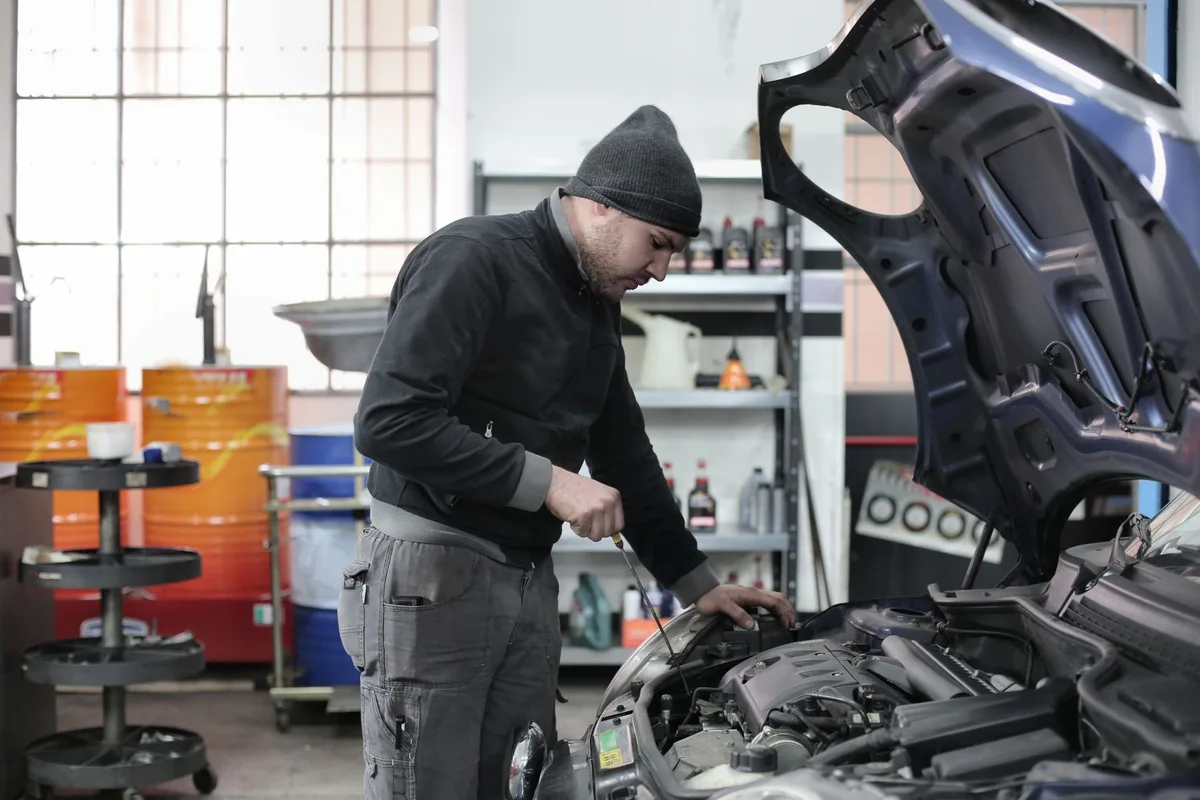
Use this checklist when the engine has been off long enough to become fully cold. Park on a level surface where possible, keep hands and clothing away from moving components, and use the owner’s manual to identify the reservoir and level markings.
- Check the reservoir level: Compare the cold-level marking with the vehicle manual. Do not judge the level from a hot reading unless the manufacturer explains how to do so.
- Look for visible leaks: Inspect under the vehicle and around the reservoir, radiator area, and hose connections for wet spots, dried residue, or a recurring puddle.
- Inspect hoses: Look for cracks, swelling, soft spots, splits, or loose-looking connections. Do not touch parts that are hot.
- Check visible belts: Look for obvious fraying, cracking, or damage without placing your hands near a belt or pulley.
- Notice unusual smells: A sweet smell after driving can justify an inspection, especially with a low level or visible residue.
- Review the dashboard: Note any coolant, temperature, or check-engine warning light and record when it appears.
Ontario’s official driver guidance includes coolant levels, belts, hoses, and obvious leaks among the items to check under the hood. It also recommends consulting the owner’s manual for maintenance information.
How Routine Maintenance Can Identify Cooling-System Problems
Cooling-system concerns can be noticed during broader maintenance, even when the vehicle has not overheated. A fluid check may reveal a low level, contamination, or signs of leakage, while a general inspection may identify worn hoses or other visible concerns. These observations help determine whether the next step is routine maintenance, further diagnosis, or repair.
For example, an oil-change appointment may include coolant checks and inspection for leaks or worn parts, but the exact scope should be confirmed when booking. A coolant check should not be assumed to include a coolant exchange or complete cooling-system diagnosis.
Master Mechanic East York lists fluid exchanges, multi-point vehicle health inspections, belts and hoses service, and radiator and hose repairs among its maintenance and repair offerings. The shop serves all makes and models from 8 Bermondsey Rd in East York.
Cooling-System Warning Signs You Should Not Ignore
Some symptoms call for prompt attention even if the vehicle still starts and moves normally. A temperature gauge that rises above its usual range, a coolant warning light, or a repeated need to add coolant indicates that the system needs more than casual monitoring.
- Overheating gauge: Pull over safely and turn the vehicle off as soon as practical.
- Steam: Treat steam from under the hood as an urgent warning and keep away from the engine bay until the vehicle has cooled.
- Visible coolant leak: A puddle, spray, wet connection, or dried residue may require diagnosis.
- Sweet smell: This can accompany a coolant leak, particularly with a low reservoir level or dampness.
- Repeatedly low coolant: Repeated top-ups are not a maintenance plan. The cause should be identified.
- Warning light or unusual engine behaviour: A coolant or check-engine light, rough operation, or reduced performance should be assessed.
These signs do not identify one specific failed component. A radiator, hose, reservoir, belt, or another part may be involved, but an appropriate inspection is needed to establish the cause.
When to Stop Driving and Arrange Professional Help
Stop as soon as safely possible if the temperature gauge shows overheating, steam is visible, or coolant is escaping significantly. Turn the engine off and allow the vehicle to cool. Do not remove a radiator cap or open a pressurized cooling-system component while the engine is hot, because hot coolant and vapour can cause serious burns.
Once the vehicle is cold, you may visually inspect the level if it is safe, but do not treat a top-up as a complete solution. If the level is repeatedly low, the vehicle has overheated, or a warning light remains on, arrange professional assessment. Towing may be safer than driving when there is active overheating, a major leak, or uncertainty about reaching a shop safely.
Choosing Coolant Service in East York or Leaside
When contacting a mechanic, provide the vehicle’s year, make, model, and engine if known. Describe whether the concern is routine maintenance or an active symptom, and mention any warning light, overheating event, visible leak, unusual smell, recent coolant work, or repeated need to add fluid.
Ask which service is being recommended and why. A useful conversation should distinguish a cold-engine inspection, fluid top-up, scheduled coolant exchange, and diagnosis of a suspected fault. Confirm that the coolant specification and procedure match your vehicle’s requirements.
For local drivers, Master Mechanic East York offers fluid exchanges, multi-point vehicle health inspections, belts and hoses service, and radiator and hose repairs. The shop has operated since 1982, uses state-of-the-art equipment, and emphasizes direct communication between customers and mechanics.
Frequently Asked Questions
Is it safe to drive if the coolant level is low?
It depends on why the level is low and how low it is. A slightly low level with no symptoms still deserves an inspection and the correct vehicle-specific top-up. Rapid loss, overheating, steam, a warning light, or a visible leak makes driving unsafe. Do not open a hot cooling system.
Can I mix different types or colours of coolant?
Do not assume that colour identifies compatibility. Coolant formulas and specifications vary, and mixing products that are not approved for your vehicle can create maintenance or system problems. Check the owner’s manual before adding fluid. If you do not know what is already in the system, ask a qualified technician.
How do I know when my vehicle needs a coolant flush or exchange?
Use the manufacturer’s maintenance schedule and coolant specification rather than a universal mileage or time rule. An exchange may be due when the schedule calls for it or inspection identifies a coolant condition requiring service. An exchange will not fix an active leak, so overheating or repeated coolant loss should be diagnosed first.
Conclusion: Choose the Right Coolant-Service Next Step
Effective coolant system maintenance starts with a cold-engine visual check and the owner’s manual. Check the level, visible hoses, belts, and leaks, but distinguish a routine inspection from a top-up, coolant exchange, or repair diagnosis. The correct service depends on the vehicle and the evidence of a problem.
If you see steam, experience overheating, notice significant coolant loss, or repeatedly need to add fluid, stop driving when safe and arrange professional assessment. For routine checks or cooling-system concerns in East York and Leaside, Master Mechanic East York provides fluid exchanges, vehicle inspections, belts and hoses service, and radiator and hose repairs for all makes and models.